Every job site runs on fuel the way your body runs on blood, and when that supply stalls, so does your entire operation. A diesel bowser solves the delivery problem by putting diesel exactly where machinery needs it, cutting out wasted trips and dead time. Sounds simple enough, right? Here’s the catch: choosing the wrong size, mobility setup, or safety configuration can turn your fueling solution into your most expensive mistake. The difference between smart bowser selection and a costly guess comes down to a few critical factors most operators overlook entirely.
What Is a Diesel Bowser and How Does It Work?
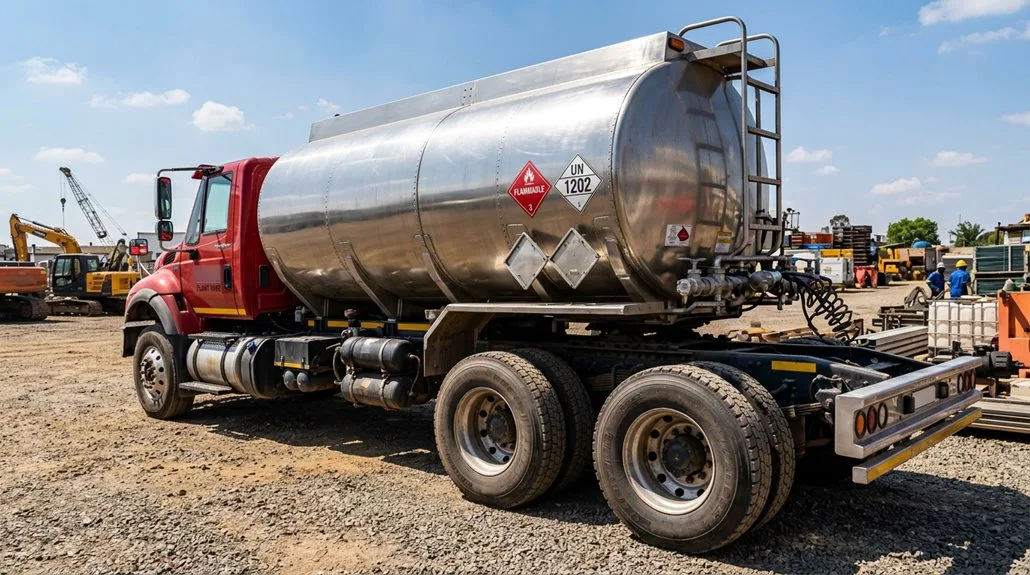
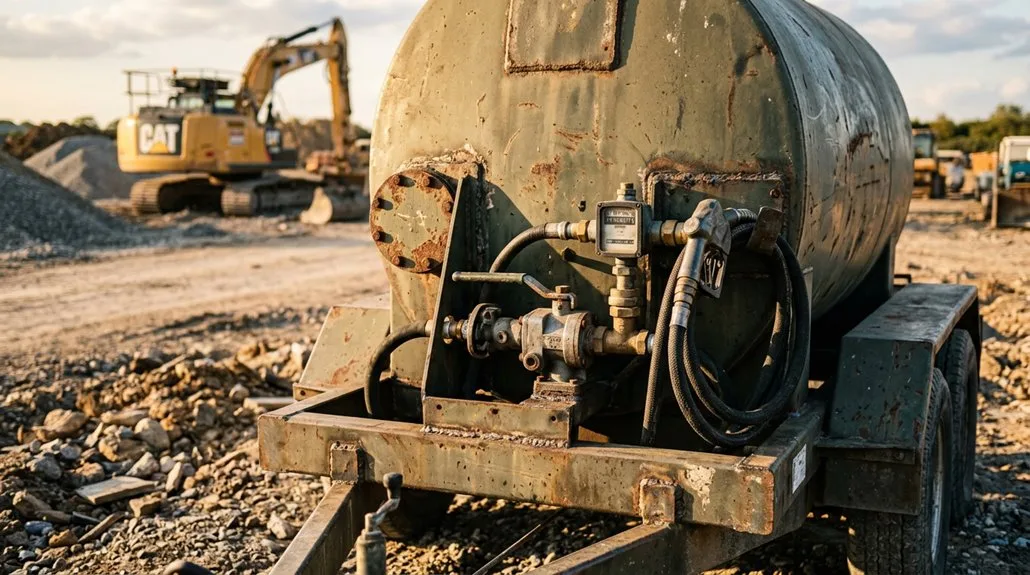
A workhorse of remote fuelling operations, the diesel bowser gives you a mobile tank that stores and dispenses diesel right where you need it.
So what’s a diesel bowser, exactly? It’s a wheeled trailer or truck-mounted unit built with a storage tank, pump, hose, nozzle, and metre. You get accurate fuel delivery without hauling equipment to a station.
Bunded models add an inner tank plus outer containment layer, protecting your site from spills. This design connects you to safer, more responsible fuelling practices shared across construction, agriculture, and forestry teams.
You’ll find bowsers in sizes from 500 litres to 15,000 litres.
Whatever your crew’s scale, there’s a bowser built to keep your operation moving, fuelled, and part of a well-equipped worksite community.
What Size Diesel Bowser Do You Need?
How much diesel do you actually burn in a day? That’s the first question every crew asks before picking a diesel bowser. Small operations, running one or two machines, often manage fine with 500 to 1,450 litres.
Larger sites need more muscle. Construction teams and farms running multiple diesel engines typically choose a fuel bowser between 2,230 and 5,000 litres. High-demand operations, like forestry sites or aerodromes, may require 10,000 to 15,000 litres.
Think about your team, too. Belonging to a well-equipped crew means fewer delays and fewer fuel runs. If you’re unsure which size fits your operation, Expert Plant and Tool Hire can help you match the right bowser to your daily fuel demands.
Match tank size to daily consumption, add a buffer for busy weeks, and you’ll get a great result: less downtime, more productivity.
Towable vs Truck-Mounted Diesel Bowsers: Which Fits Your Site?
Where does your fuel need to travel, and how often does it need to move? This question shapes your choice between towable and truck-mounted set-ups.
Towable diesel bowsers connect to a vehicle you already own. They’re built on trailer chassis, ranging from 500 to 2,230 litres, and suit sites with occasional refuelling needs. You tow it, park it, dispense fuel, then move on.
Tow it, park it, dispense fuel, then move on—no dedicated vehicle required.
Truck-mounted diesel bowsers integrate directly onto a dedicated vehicle. They handle larger volumes, often 5,000 litres and above, and work well for high-demand sites with frequent refuelling runs.
Your site’s daily fuel demand determines the right fit.
Construction crews moving between multiple locations often prefer towable units. Aerodromes and large agricultural operations typically rely on truck-mounted systems for consistent, high-volume supply.
How Do You Refuel Safely With a Diesel Bowser?
Safety comes first when you’re working with a diesel bowser. Every crew member on site shares responsibility for following safety and handling essentials, and that shared commitment builds trust among your team.
Follow these core steps:
- Never refuel while an engine is hot or running.
- Keep smoking materials and open flames away from the bowser.
- Clean up spilt fuel immediately, no exceptions.
- Position the bowser in a cool, secure spot, clear of the active work area.
- Check tyres, taps, and filler caps before each use.
- Skip any equipment showing damage.
Close taps and filler caps tightly before walking away.
These habits protect you, your coworkers, and the site itself. A well-maintained bowser keeps operations running safely and efficiently, day after day.