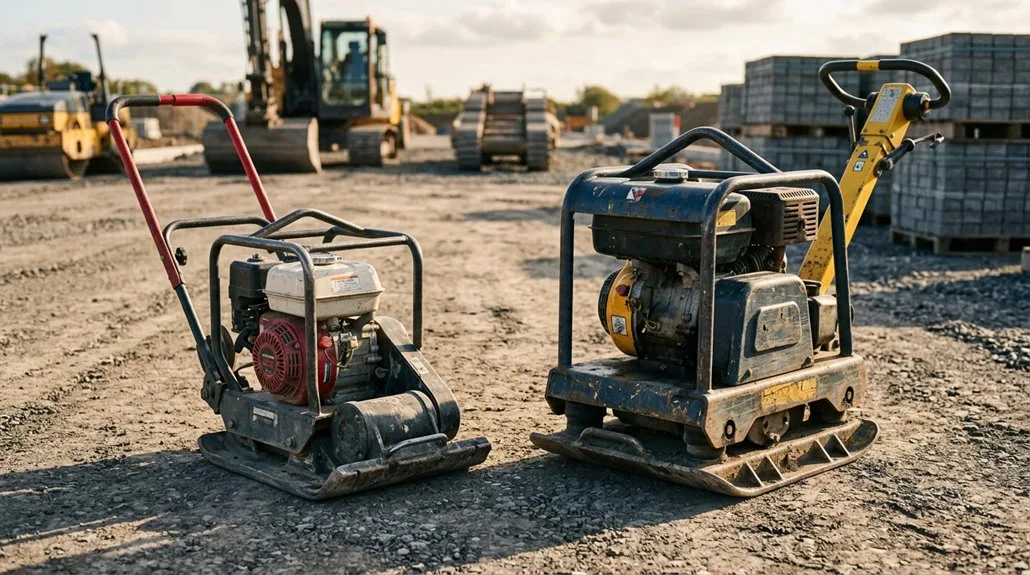
Every day, you climb into that compactor and trust it to keep you safe. But here’s the uncomfortable truth: most operators skip the very checks that could save their lives. Civil Works SA has seen it happen—hydraulic leaks ignored, worn parts overlooked, unstable ground underestimated. One missed step turns routine work into a serious incident. The equipment isn’t the problem. The shortcut is. Before you fire up that engine again, there’s a handful of checks separating a safe shift from a preventable disaster—and most operators are getting at least one of them wrong.
Pre-Start Inspections: Hydraulics, Fuel, and Wear Parts on Compactors
Before you start a compactor, check the fluid levels first. Fuel, oil, hydraulic fluid, and coolant all need proper levels before start-up. Low fluids cause breakdowns and unsafe operation.
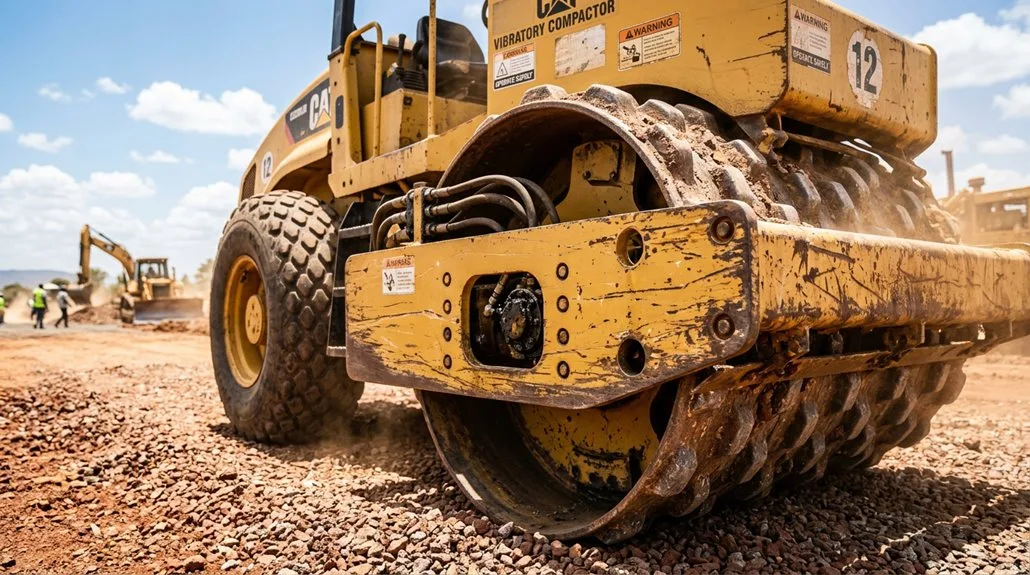
Next, inspect the base plate, drum, tamping shoe, and blades. Look for cracks, excessive wear, or loose bolts. These wear parts take constant impact, so damage spreads fast if you ignore it.
Wear parts absorb constant impact. Catch cracks, wear, and loose bolts early, before small damage becomes a big problem.
Confirm every guard, cover, and shield sits securely in place. Test the kill switch, ignition, lights, and horn before work begins. This step matters for compaction equipment safety and keeps your crew protected. If a compactor fails inspection, breakdown and towing services can remove it from site safely and keep your project moving.
Your team relies on you to catch problems early. A thorough pre-start inspection builds trust on site and delivers a great result: fewer breakdowns, fewer injuries, and steady progress every shift.
Compactor PPE and Vibration Exposure Limits Every Operator Must Know
Once you finish your machine inspection, turn your attention to yourself. Your team relies on you wearing the right gear, every shift, without exceptions. Proper PPE keeps you safe and supports civil works quality control across the whole site.
| PPE Item | Purpose |
|---|---|
| Safety boots, gloves | Protect against impact and pinch points |
| Eye and hearing protection | Guard against debris and noise exposure |
Vibration matters too. Prolonged exposure to hand-arm vibration can cause long-term damage, so limit continuous operation time and take regular breaks. Check your machine’s vibration rating against daily exposure limits before starting work. If a compactor breaks down mid-shift, having access to reliable breakdown & towing services ensures the equipment issue doesn’t compromise crew safety or project timelines.
You’re part of a crew that values safety together. Confirm handholds, steps, and seat belts function properly. Small checks build a great result: a safer site for everyone.
Rollover Risks on Compactor Slopes and Unstable Ground
Since compactors work close to trenches, embankments, and soft edges, you can’t skip a slope and stability check. You’re part of a crew that values careful ground assessment, and that starts before you engage the drum or plate.
Check the ground first. Look for these conditions on every roller safety checklist:
Check the ground first, every shift, before the drum or plate ever engages.
- Slope angle over 15 degrees
- Soft or crumbling edges near trenches
- Recent rainfall or standing water
- Uneven load-bearing surfaces
You’ll want to position the machine across the slope, not along it, to reduce sideways sliding. Keep vibration off during turns on inclines.
Never operate near unsupported trench walls. If your crew lacks the experience to judge tricky ground conditions, skilled operators can be brought in to manage compaction safely on site.
Your team’s safety record depends on this habit. A great result comes from consistent ground checks, not shortcuts, every single shift.
Compactor Shutdown Protocols to Prevent Leaks and Fastener Failures
When you finish a compaction job, shutdown deserves the same attention as start-up. You’re part of a crew that protects equipment for the next shift, and proper shutdown makes that possible.
Follow these steps every time:
- Disengage vibration before reducing engine speed.
- Let the engine idle for 2–3 minutes to cool gradually.
- Switch off ignition and remove the key.
- Isolate the machine if you’re leaving it unattended.
After shutdown, inspect the unit. Check for fluid leaks under the base plate, drum, or engine housing.
Tighten any loose fasteners you find; vibration loosens bolts over time. Look for abnormal wear on blades or the tamping shoe.
This routine supports solid equipment maintenance and keeps your team’s gear reliable for the next job.