One overlooked bolt. One missed signature. One tired brake line. Any of these can turn a routine tanker run into a national headline. South African law doesn’t just suggest a thorough inspection—it demands one, and the gap between “looks fine” and “fully compliant” is where accidents are born. Before that engine even starts, there’s a checklist that separates professional operators from ticking time bombs on the motorway. So what does it actually take to pass? Let’s start where every inspection should: the paperwork sitting in the glovebox.
Permits and Certificates You Need Before Departure
Why can’t you just load up and drive off? South African law requires proof before any dangerous-goods trip begins. You need a valid dangerous-goods certificate for your vehicle.
No certificate, no trip. South African law demands proof of compliance before your wheels ever leave the yard.
You also need a roadworthy certificate and, in many municipalities, a dangerous-goods registration disc inside the cab.
Your tanker checklist should confirm these documents before departure:
- Dangerous-goods compliance certificate
- Roadworthy certificate
- Dangerous-goods registration disc
- Fire permit, where required
- TREM cards and safety data sheets in the document holder
An inspector checks vehicle suitability against SANS 1518:2011 and SANS 1157:2013 standards.
This step confirms you’re part of a compliant, professional fleet. Skipping it puts your permit, your load, and your team at risk.
Tank Condition, Valves, and Pressure Testing Requirements
Once your permits check out, you’ll need to inspect the tank itself before it touches the road. This step matters to every crew that values safety and belonging to a compliant fleet.
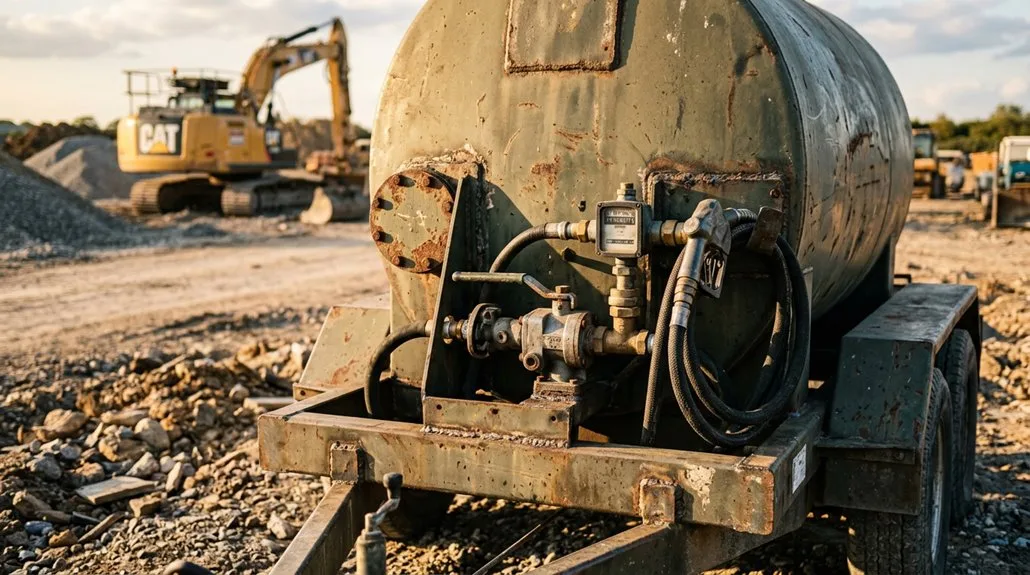
Every thorough tanker truck inspection checks tank design against the substance being carried. The containment area must suit the product, with no cracks, corrosion, or weak points.
Valves and gaskets need direct attention, especially after 12 months of operation. Check for leaks, wear, and proper sealing.
Pressure testing follows national regulations for tankers operating under pressure conditions. This confirms the tank holds up under real operating stress.
Finally, verify tank cleanliness and dryness. Bitumen tankers require water-free confirmation before loading. Skipping this step risks contamination and unsafe transport.
Roadworthiness Checks That Keep Your Tanker Compliant
After the tank passes inspection, your tanker still needs a full roadworthiness check before it hits the road. This confirms your fleet meets liquid transport regulations and keeps you part of a compliant, trusted operator community.
Check these items daily:
- Tyre tread depth and pressure
- Brake function and response
- Lights, indicators, and mirrors
- Steering and suspension condition
- Deck, straps, and load restraint fittings
Mechanical soundness matters at every stage, not just at the 12-month certification mark.
Drivers who complete daily checklists catch small issues before they become breakdowns. That’s a great result for safety and for your bottom line.
Your inspector’s sheet should confirm the vehicle’s overall condition matches SANS-based standards.
Staying current with these checks keeps your operation aligned with fellow compliant carriers across the industry.
Fire Safety Gear and Placard Rules You Can’t Skip
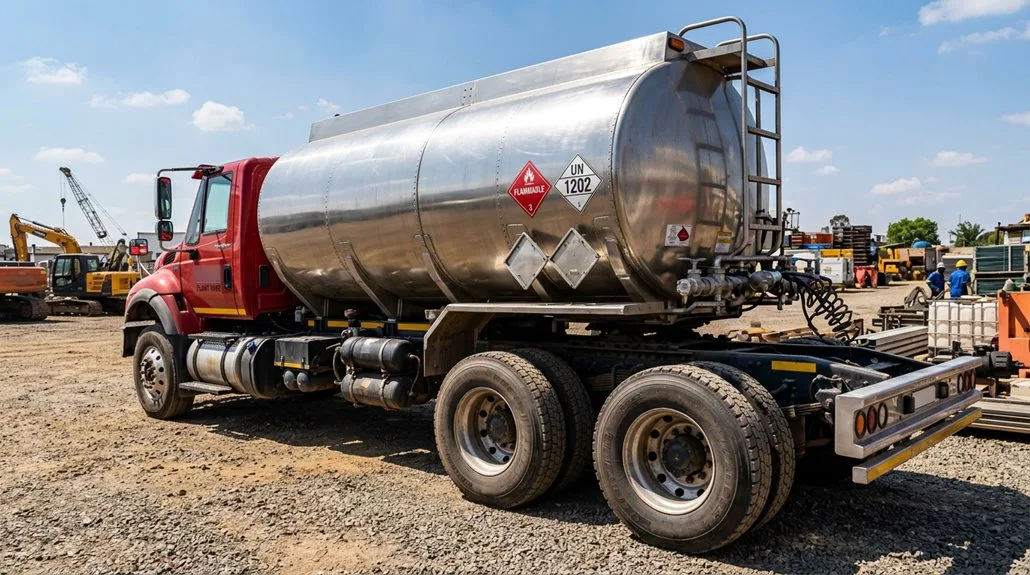
Mechanical soundness gets your tanker moving, but fire safety gear and correct placards keep it legal on the road. Every operator carrying dangerous goods must meet South African road safety standards, and that means checking equipment before each trip, not after an incident. Fire extinguishers and their mounting brackets must be present and secured. Placards belong on the rear, both sides, and an orange diamond goes at the front.
| Item | Requirement | Placement |
|---|---|---|
| Fire extinguisher | Mounted, charged, accessible | Cab or designated bracket |
| Placards | Match current load hazard | Rear and both sides |
| Orange diamond | Plain, visible | Front of vehicle |
Belonging to a compliant fleet means every driver checks this list, every time.