Most site managers gamble on a bet they don’t even know they’re placing: that their water main won’t break this month. When it does, you’re looking at 48 hours of dead crew hours, blown inspection windows, and compliance violations stacking up by the hour. The gamble always loses eventually. A mobile tanker rental can flip that entire equation in your favour, turning a potential shutdown into a non-event. But there’s a catch most people miss until it’s too late, and it has everything to do with capacity and standards.
Why Your Site Can’t Afford a Water Outage
When water stops flowing, your entire operation grinds to a halt. Workers can’t stay hydrated, toilet blocks stop working, and concrete mixing schedules fall apart.
No water means no work—hydration, sanitation, and concrete schedules all collapse at once.
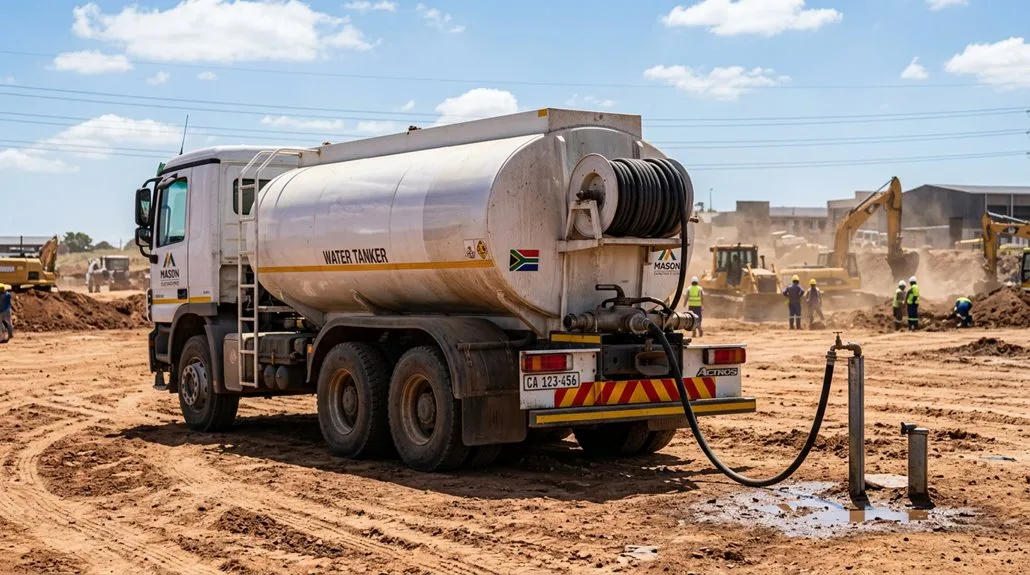
You’re not just losing time, you’re losing trust with your crew and clients. A mobile drinking water tanker keeps your team connected and supported, even when permanent infrastructure fails.
Site outages happen without warning, whether from pipe breaks, utility upgrades, or emergency situations. Your workforce depends on you to plan ahead.
Here’s what’s at stake:
- Crews need 1–2 gallons per person daily for basic hydration
- Downtime costs compound hourly on active job sites
- Compliance violations can halt operations entirely
Belonging to a well-prepared team means never facing that gap. Reliable water access isn’t optional, it’s foundational to keeping everyone safe and productive.
Matching Tank Capacity to Your Site’s Daily Demand
Before you hire a tanker, you need to calculate your site’s real water demand. Your crew belongs to a team that plans ahead, not one that scrambles during a shortage.
Start with basic numbers:
- Workers on-site per day
- Estimated litres per person (typically 9–18 litres for drinking)
- Additional use for dust control, equipment, or sanitation
Multiply daily need by your hire term. A 20-person crew using 18 litres each requires 360 litres daily, minimum.
Add a buffer for emergency water supply needs, since demand spikes happen without warning.
Choose a tank size that covers three to five days without refill. This approach gives your team reliable access and keeps you connected to a provisioning strategy that works, day after day.
Food-Grade Standards Behind Safe Drinking Water Delivery
Since your crew depends on every gallon delivered, you need a tanker built for potable water, not general hauling.
Food-grade standards separate real drinking water equipment from repurposed tanks. Stainless steel construction resists corrosion and won’t leach chemicals into your supply. Dedicated potable systems never carry chemicals, fuel, or non-potable water, ever.
Ask your provider these questions:
- Is the tank stainless steel or food-grade lined?
- Has it only ever hauled drinking water?
- Are hoses and faucets sanitised between deliveries?
These details matter for reliable site water provisioning.
Your team belongs to a standard where clean water isn’t optional, it’s guaranteed. Certified potable equipment protects everyone on-site, from labourers to visitors.
That’s a great result for any project depending on consistent, safe water access daily.
Fast Delivery and Flexible Water Tanker Hire Terms
Because water needs don’t wait for business hours, your rental provider shouldn’t either. Fast implementation matters when a site loses water access or demand spikes unexpectedly. Many fleets offer 24/7 support, so you’re never left waiting for a delivery window.
Rental terms stay flexible too. You can choose daily, weekly, monthly, or long-term coverage based on project length. Water bowser rental options work well for smaller sites needing less volume, while full tanker lorries suit larger operations.
This flexibility builds a sense of partnership between you and your provider. You’re not locked into rigid contracts that don’t fit your timeline. Instead, you get scalable service that adjusts as your project grows or shifts.
That’s a great result for teams managing unpredictable site conditions.