Most contractors pick earthmoving machinery based on what’s sitting idle in the yard, not what the job actually needs. That single habit quietly drains thousands in wasted fuel and blown deadlines on every road project. The fix isn’t complicated: haul distance dictates the equipment, full stop. Bulldozers own the short pushes, scrapers dominate the middle ground, and haul lorries take the long stretches. Get the pairing wrong, and the maths turns against you fast. Here’s the breakdown that separates profitable projects from costly guesswork.
Match Haul Distance to the Right Earthmoving Equipment
Before you choose any machine, you need to measure the haul distance first. This single number drives most of your earthmoving equipment decisions. Once you know it, you join a community of contractors who plan smartly and avoid costly mismatches.
For hauls under 300 feet, bulldozers give you the best value. They push material efficiently without extra loading steps. Your team stays lean, and your budget stays intact.
For medium hauls between 300 and 3,000 feet, scrapers deliver the strongest productivity. They combine loading and hauling in one pass.
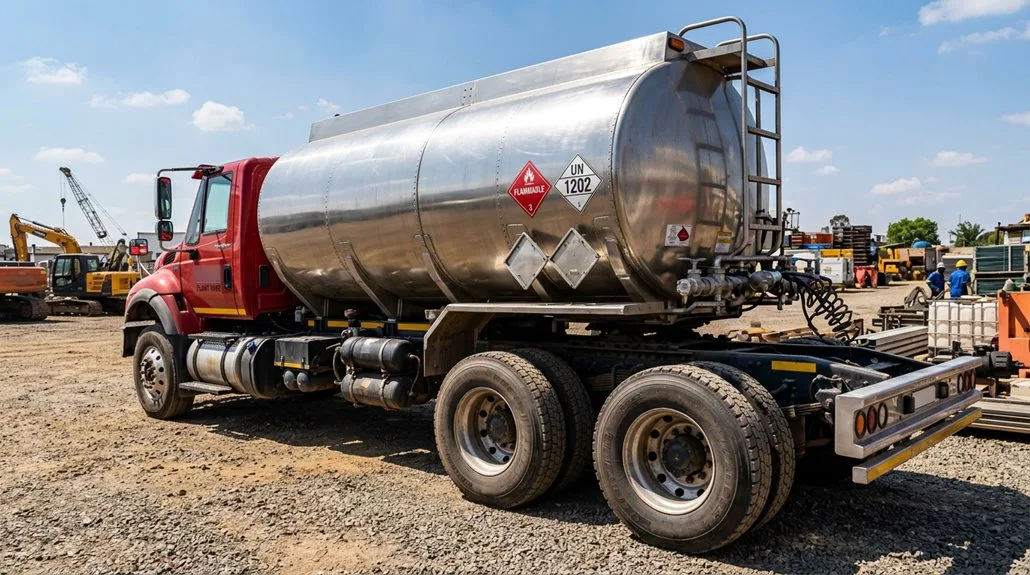
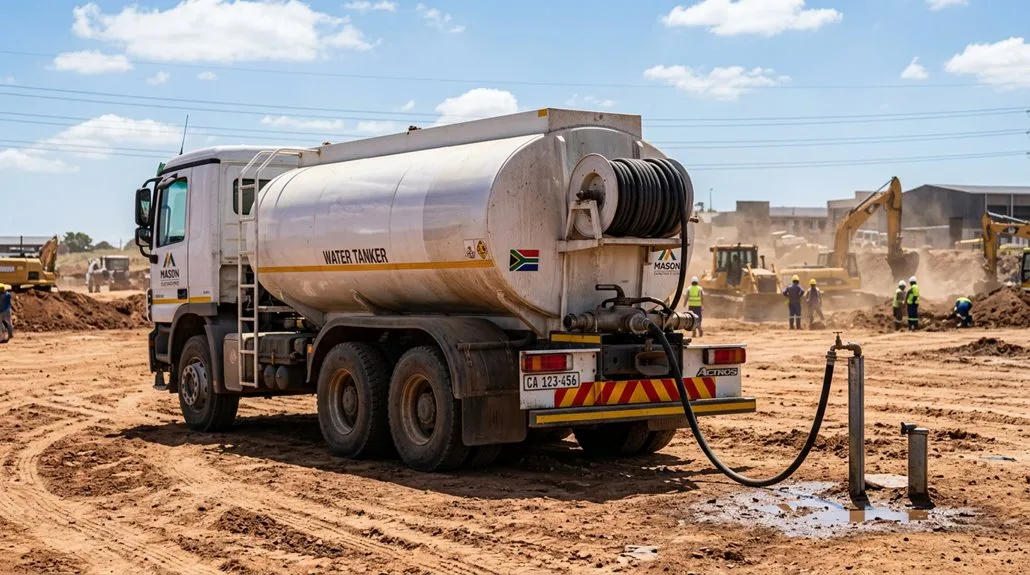
For long hauls beyond that range, trucks paired with excavators or loaders work best. This system moves large volumes efficiently over distance. Professional earthmoving teams in the Piet Retief and Mkhondo areas rely on a versatile equipment fleet to match machinery with terrain and haul distance.
Match your equipment to your haul distance, and you’ll get a great result every time.
Clear and Cut With Bulldozers and Excavators
Clear your site first, then cut to grade. Your crew joins a long tradition of road builders who trust bulldozers for clearing, rough grading, and short pushes.
These machines handle site clearing, cut-and-fill work, and initial levelling before finish equipment arrives.
Bulldozers weigh 25,000 to 100,000 lb on most road jobs. That range covers brush removal, soil excavation, and pushing weak rock strata.
For short pushes under 300 feet, dozers deliver the most economical result on your crew’s timeline.
Excavators back up this work. They dig, trench, and load material for drainage and utility lines.
When your project calls for machinery beyond your current fleet, plant hire companies offer skilled operators to run excavators and bulldozers safely on-site.
Match bucket capacity and undercarriage traction to your soil conditions. This pairing sets a solid foundation your whole team can build on.
Move Material With Scrapers and Haul Trucks
Haul distance determines your next equipment decision. Once your crew clears and cuts the site, you’ll move into medium and long-range hauling.
Scrapers handle medium hauls well, working best between 300 and 3,000 feet. They cut, load, and carry material in one pass, which keeps your crew efficient and connected across the site.
For longer hauls, haul trucks paired with loaders become your team’s best option. This truck-and-loader system moves large volumes over greater distances without losing productivity.
You’ll want to match truck capacity and cycle time to your project’s total volume and schedule.
Choosing between scrapers and haul trucks isn’t guesswork. It’s a calculated decision based on distance, volume, and timeline, one that keeps your whole operation working as a unit.
Finish Roads With Graders and Compaction Equipment
Two machines finish the job right: motor graders and rollers.
You’ll rely on graders for crossfall, subgrade shaping, and haul road maintenance. Most units weigh 10 to 50 tonnes, run 130 to 280 hp, and carry blades 12 to 16 ft wide.
Graders handle crossfall and subgrade work best when weight, horsepower, and blade width match the job ahead.
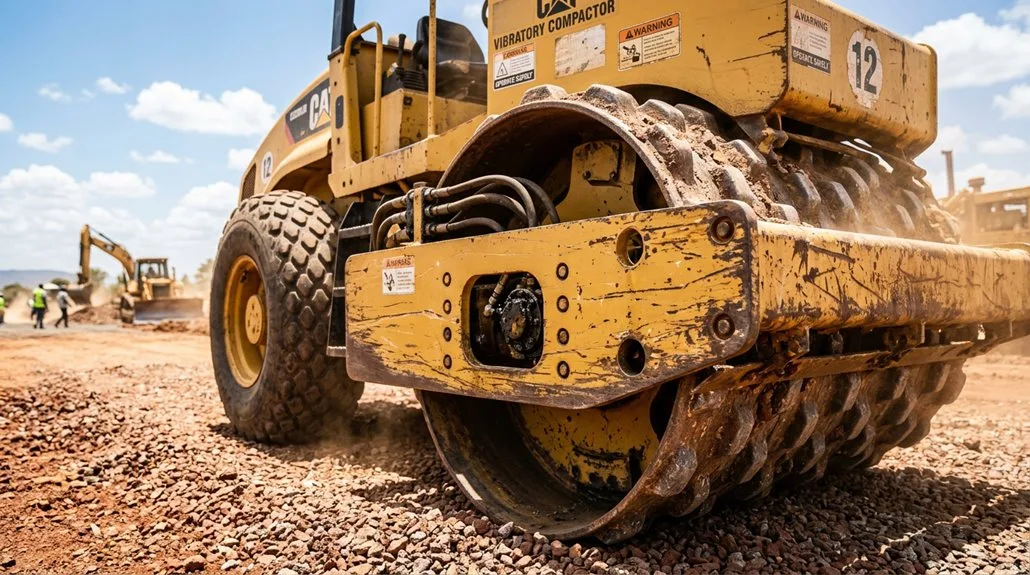
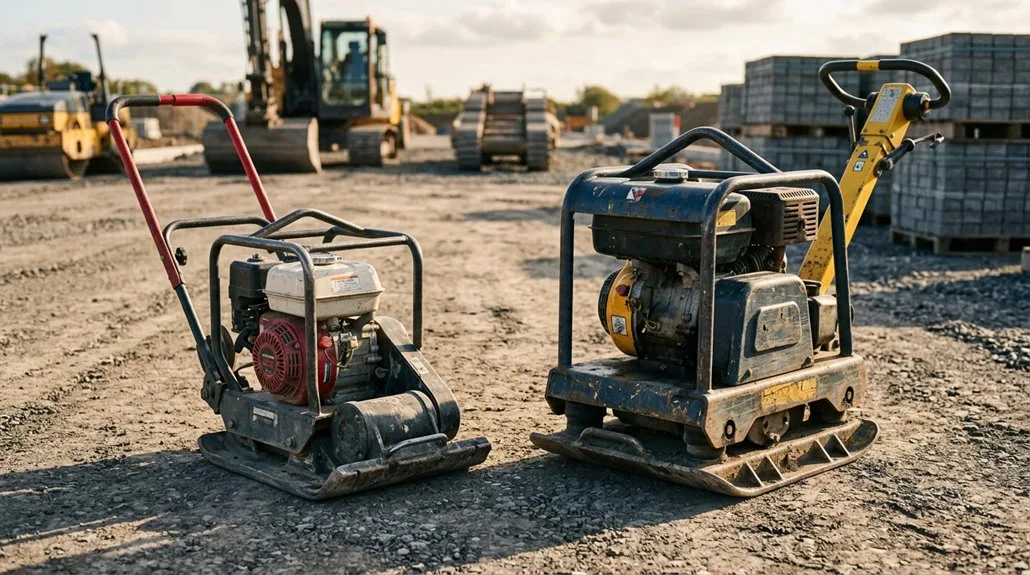
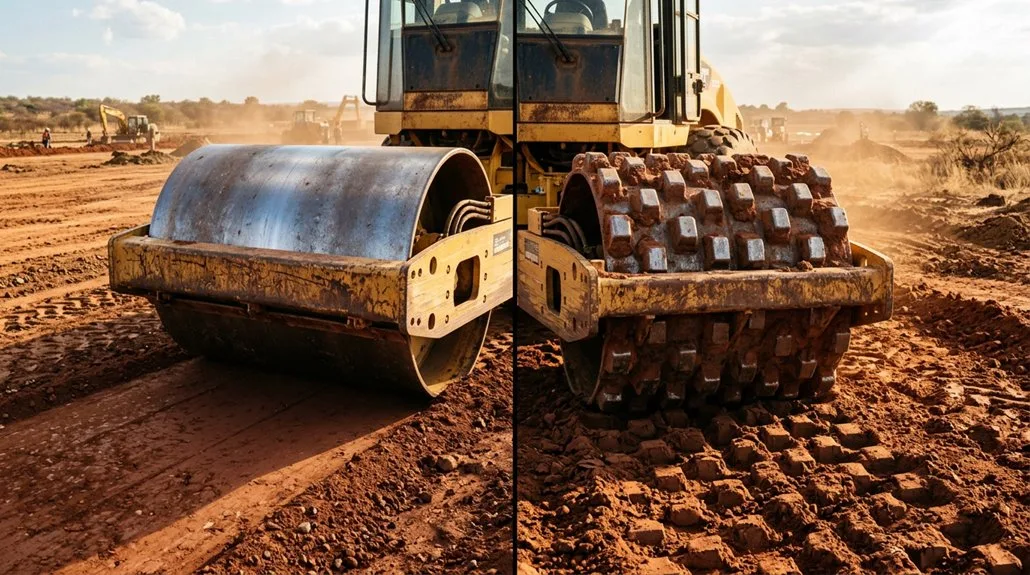
Rollers come next. Each layer needs compaction before you place the next one. Skip this step, and you risk poor subgrade stability down the line.
If your fleet doesn’t cover these needs, grader and roller hire fills the gap without added ownership costs. Many crews across road projects use hire arrangements to match equipment to schedule and budget. Hire providers typically supply certified operators alongside the machines, ensuring grading and compaction work proceed safely and efficiently.
Your project team gets a great result when grading precision and compaction work together. That’s how road layers hold up long-term.