Your land isn’t wild—it’s just waiting. Every day you leave it overgrown, that brush hides risks you can’t see: snakes, uneven ground, fire fuel stacking higher with each dry season. Clearing it by hand? That’s days of your life you won’t get back, and most of it spent fighting nature instead of using it. A forestry mulcher flips the equation entirely, turning weeks of labour into hours of results. But here’s the catch nobody mentions before you rent one.
Why Does Overgrown Land Need a Forestry Mulcher Rental?
Overgrown land creates three problems fast: fire risk, blocked access, and reduced property value. Dense brush and small trees fuel wildfires, especially in dry seasons. Blocked trails and fence lines stop equipment, livestock, and vehicles from moving safely. Neighbours and buyers notice untended acreage, and that lowers kerb appeal.
A forestry mulcher rental solves these problems efficiently. Mulching heads clear saplings, brush, and vines in a single pass, leaving mulch on-site instead of debris piles. This method protects topsoil and reduces erosion. For land that requires more than surface clearing, complete stump removal ensures roots are fully extracted, preparing the area for agricultural use or reforestation.
You’ll join thousands of landowners who choose mulching over burning or bulldozing. It’s a great result: cleared land, healthier soil, and safer property lines.
For pasture cleanup, lot clearing, or fire-break maintenance, this approach delivers measurable, dependable outcomes.
How Do Rented Forestry Mulchers Clear Thick Brush?
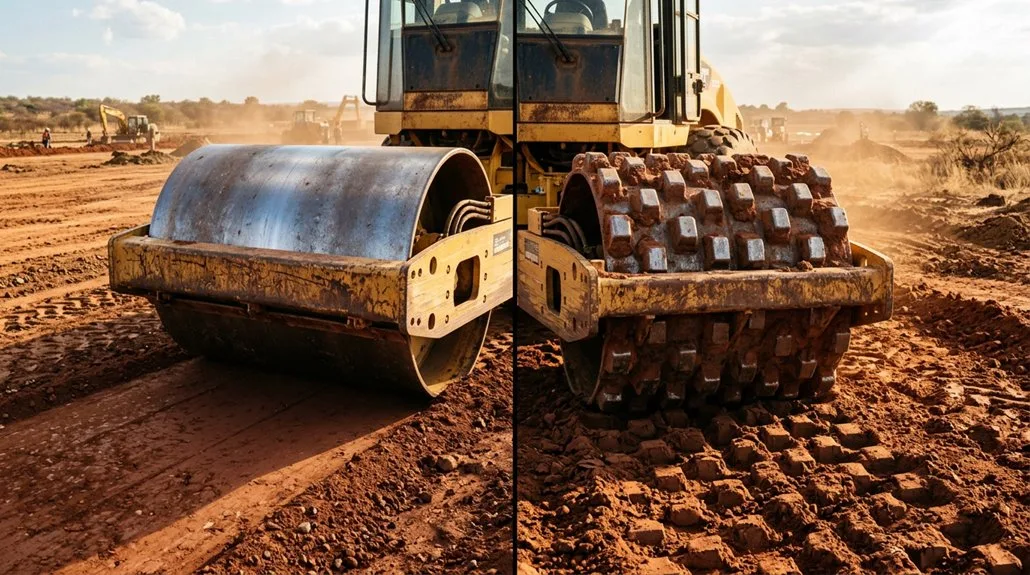
Imagine a rotating drum spinning at high speed, grinding brush into mulch in seconds. That’s the core mechanism behind every forestry mulcher rental. The drum carries carbide teeth or fixed hammers that strike branches, saplings, and dense brush, breaking material down into mulch on contact.
A spinning drum, carbide teeth striking wood—brush becomes mulch in seconds, not hours.
You’ll find two main setups. Skid steer attachments use high-flow hydraulics, typically 25–40 GPM, to power the drum through moderate vegetation. Dedicated mulchers run higher horsepower engines, often 150–300 HP, built for heavier timber and larger acreage.
Ground conditions matter too. Tracked machines handle slopes and soft soil better than wheeled units. Many rental providers pair the equipment with certified operators who understand how to match drum speed and horsepower to your specific brush density for safe, efficient clearing.
When you match the right drum speed and horsepower to your brush density, you join countless landowners who’ve cleared their overgrown property efficiently, with mulch left behind to protect the soil.
Is Forestry Mulcher Hire Cheaper Than Hiring Crews?
How much can you actually save by renting a mulcher yourself? For many landowners, forestry mulcher rental costs less than hiring a full crew, especially on small to mid-size jobs. You avoid labour markups, crew scheduling delays, and contractor overheads. You join a growing community of property owners who handle their own clearing with confidence. Companies offering competitive rental rates make it even easier to keep costs low while still accessing well-maintained equipment for your project.
| Job Size | Crew Hire Cost | Rental Cost |
|---|---|---|
| 1 acre | $1,200–$2,000 | $400–$900 |
| 3 acres | $3,500–$6,000 | $1,100–$1,900/day |
| 5+ acres | $6,000–$12,000 | $5,000–$14,000/week |
| Ongoing farm use | $10,000+/season | $9,000–$34,000/month |
Compare your acreage against these numbers. That’s a great result for budget-conscious crews ready to take control themselves.
How Do You Choose the Right Forestry Mulcher Rental?
Why does one rental option outperform another on the same job site? The right forestry mulcher rental depends on vegetation density, tree size, and ground access. Matching the machine to the job prevents wasted time and money.
Consider these factors before booking:
- Vegetation type: Brush and saplings suit attachment-only units; dense timber needs dedicated mulchers.
- Hydraulic flow: High-flow skid steers cut faster than standard-flow machines.
- Acreage: Larger sites often justify weekly rates near $5,000–$14,000.
- Site access: Slopes and soft ground require tracked machines.
- Head type: Carbide-tooth heads handle hardwood better than drum styles.
Many providers also offer stump removal services using modern equipment to fully clear land for replanting or landscaping after mulching is complete.
Choosing correctly puts you in step with experienced operators who rely on this same process.
That’s a great result for any crew planning efficient, cost-controlled clearing work.