Two machines, one brutal question: is the extra fuel bill actually worth it? A 20-tonne excavator sips 8–12 L/h, while a 30-tonne beast guzzles 18–22 L/h. Over a long project, that gap can quietly drain your budget or justify itself many times over. Bucket capacity climbs too, from 0.8–1.2 m³ to a hungrier 1.0–1.5 m³. But here’s the twist: fuel and bucket size are just the surface. The real deciding factors—digging depth and breakout force—are about to change how you see this comparison entirely.
20-Ton vs 30-Ton Excavators: Fuel Use Per Hour
Two machine classes, two very different fuel bills. Excavator fuel consumption depends on engine size, hydraulic load, and operating mode. Knowing these numbers helps you plan budgets and choose the right machine for your crew.
20-tonne excavators:
- Field estimates: 8–12 L/h under normal conditions
- Eco mode: 13.5–16.5 L/h
- Power mode: 18.5–22.0 L/h
- Fuel tank: 300–400 litres
30-tonne excavators:
- Manufacturer-style estimates: 18–22 L/h
- Broader 20–30+ tonne band: 15–25 L/h
- Larger fuel tank capacity (Cat 330: 125.2 US gal)
The 20-tonne class burns less fuel per hour. Smaller engines and lighter hydraulic systems draw less power.
The 30-tonne class costs more to run but delivers greater output per cycle. Rental costs vary by machine size and project length, so requesting personalised quotes helps match fuel expenses to your budget before committing to either class.
Bucket Capacity and Breakout Force by Excavator Class
Every jump in tonnage brings a jump in bucket size and breakout force. You’ll notice this pattern across the excavator community, where machine class dictates capability.
Bucket capacities scale with tonnage because larger frames support more breakout force and lifting load.
Bigger tonnage means bigger frames, and bigger frames mean more breakout force, more lifting load, more bucket capacity.
Here’s how the classes compare:
- 20–25 tonne machines: 0.8–1.2 m³ buckets, standard.
- 25–30 tonne machines: 1.0–1.5 m³ buckets, standard.
- Breakout force: 25,000–40,000 lb range across both classes.
- Optional buckets: some 20-tonne models reach up to 1.7 m³.
You’ll want to match bucket size to your material density and production target.
Hard ground, compacted clay, and rocky material demand higher breakout force. Choosing correctly keeps your crew productive and your equipment working within its designed limits. When selecting between these classes, working with skilled operators who understand each machine’s breakout force and bucket capacity ensures you get optimal performance on-site.
Digging Depth and Lifting Power: 20-Tonne vs 30-Tonne
A single tonnage jump changes how deep you can dig and how much you can lift. Your 20-tonne machine reaches roughly 5.91–6.65 m in digging depth, enough for most residential and utility trenching.
Step up to a 30-tonne model, and digging depth extends to 6.5–7.5 m, sometimes cited near 22–24 ft. That extra reach matters when you’re working basements or deep utility lines.
Lifting power scales the same way. Bigger engines and heavier counterweights on 30-tonne units support larger loads and stronger breakout force. This is a great result for crews handling mass excavation or quarry work.
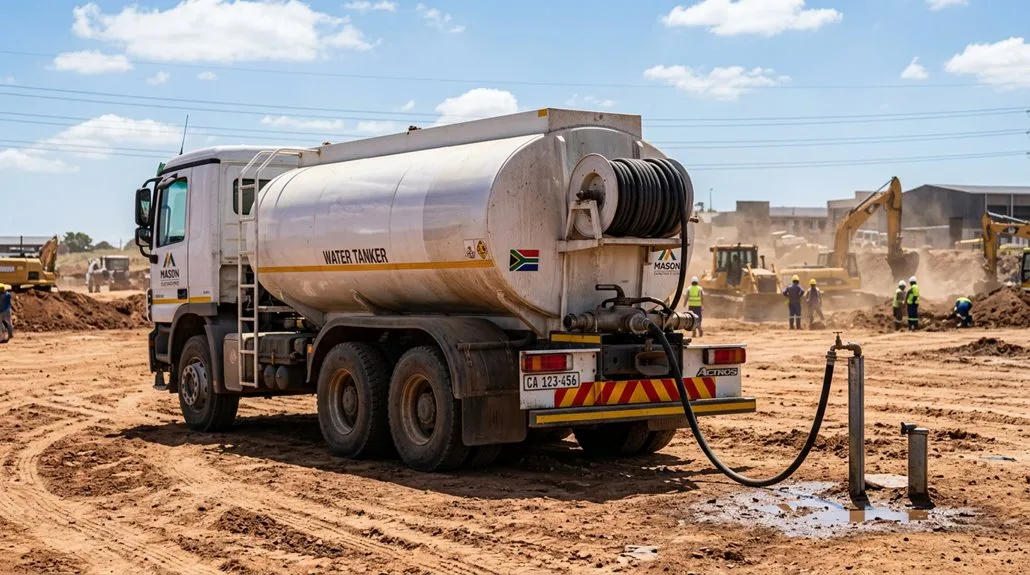
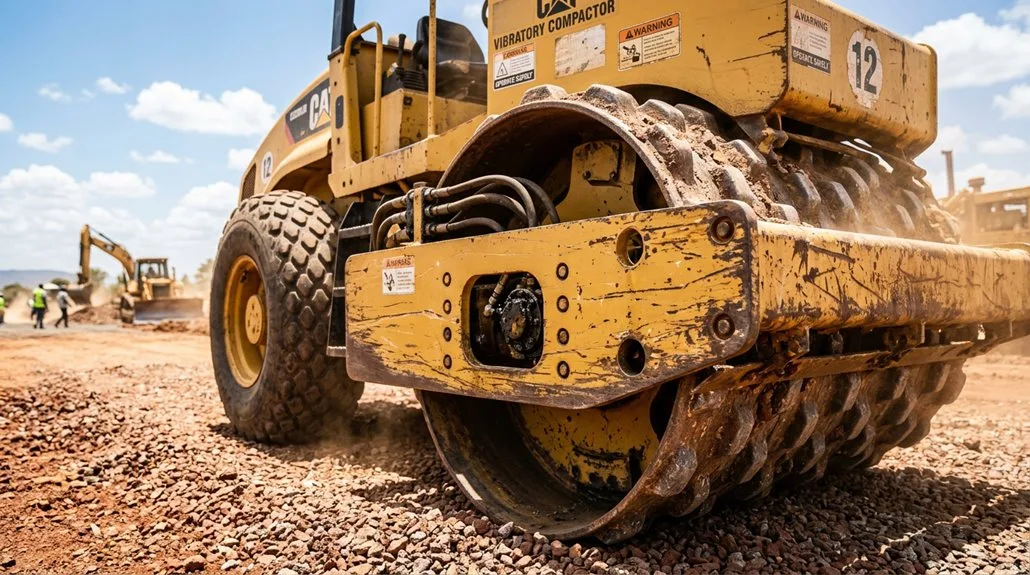
Whichever tonnage you need, plant hire services can provide access to excavators, TLBs, tippers, rollers, and water carts operated by skilled professionals.
Choose your class based on:
- Required digging depth
- Load size
- Site access
- Production targets
Your project’s demands, not tonnage alone, determine the right fit.
Cost Per Cubic Yard: 20-Tonne vs 30-Tonne Excavators
Cost per cubic yard depends on more than just tonnage, but fuel use plays a major role in the final number. When you compare 20-tonne vs 30-tonne excavator models, you’re evaluating fuel burn against production speed. Your team belongs in this calculation, since the right choice affects daily output and budget.
Fuel burn versus production speed isn’t just a spec sheet debate—it’s your daily output and budget on the line.
Here’s what matters most:
- Fuel burn: 20-tonne machines use 8-12 L/h; 30-tonne machines use 18-22 L/h.
- Bucket size: Larger buckets (up to 1.5 m³) move more material per cycle.
- Cycle time: Bigger machines complete cycles faster on large jobs.
- Material moved: Higher tonnage often lowers cost per yard on mass excavation.
If you’re weighing which size fits your site, expert advice from an experienced plant hire team can help you balance fuel costs against production speed. Choose based on your job’s actual production goals.