Nearly 60% of plant hire disputes in South Africa boil down to one thing: nobody read the fine print on wet versus dry rates. You sign the contract, budget for one figure, then the invoice arrives loaded with charges you never saw coming. Fuel. Operator wages. Maintenance. On paper, the two rates look almost identical—swap a few words and you’d miss the difference entirely. But that small gap in wording can translate into thousands of rand you didn’t plan to spend. So what exactly separates a wet rate from a dry rate, and why does getting this wrong hit your bottom line so hard?
What’s the Difference Between Wet Rate and Dry Rate?
When you’re comparing plant hire quotes, the wet rate vs. dry rate distinction matters more than most people realise.
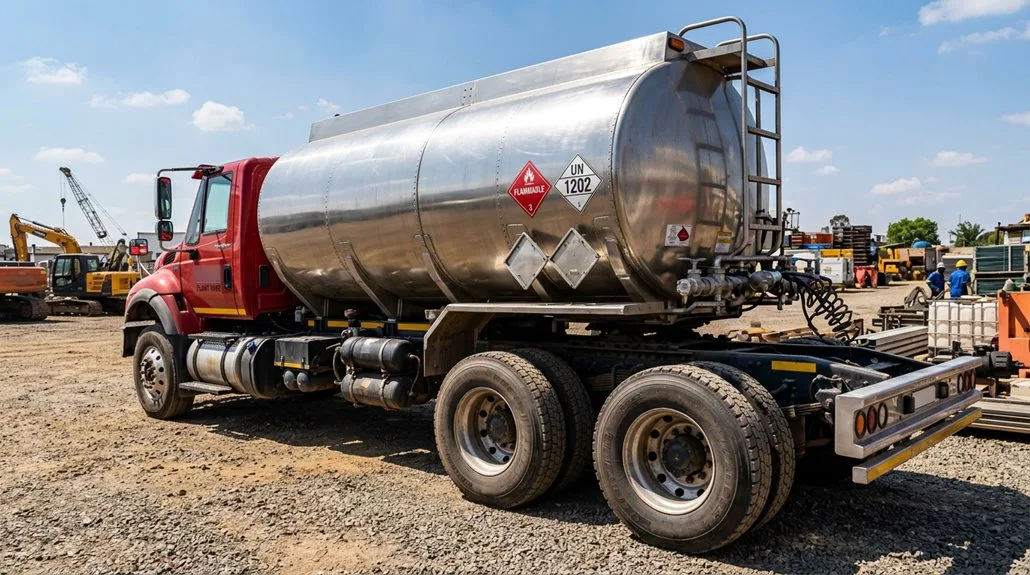
A wet rate bundles the machine, the operator, and the fuel into one price. A dry rate typically covers the machine and often the operator, but fuel stays your responsibility.
This distinction shapes your final costs. Wet vs dry hire isn’t just terminology; it changes who pays for diesel, maintenance, and sometimes insurance.
Get this wrong, and your budget takes a hit.
South African suppliers don’t always use these terms the same way. Kouga municipal tender documents define dry rate as operator plus machine, and wet rate as operator, machine, and fuel.
Personalised quotes take into account equipment type, duration, and location, so asking your supplier for personalised quotes helps clarify exactly which rate structure applies to your project.
Always check your specific quote before signing.
What Does a Wet Rate Actually Include?
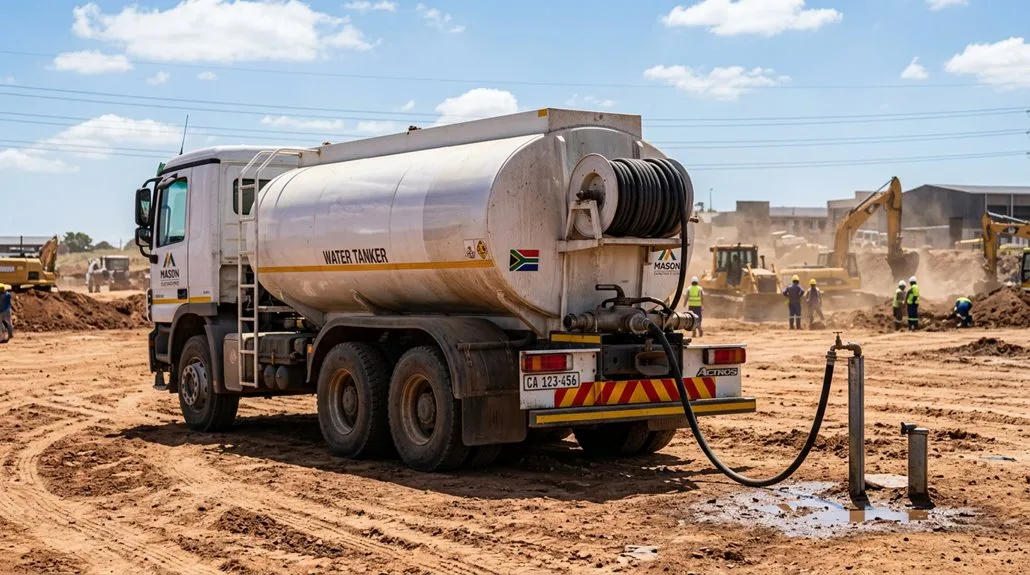
Because it bundles multiple costs into a single price, a wet rate covers more than just the machine. When you choose wet rate plant hire, you join a system built for predictability and shared responsibility. You know your budget upfront, and you’re not left guessing about hidden fuel bills.
A wet rate isn’t just a price—it’s a promise of predictability, shared responsibility, and no hidden fuel surprises.
Here’s what’s typically bundled in:
- Fuel/diesel, supplied and managed by the plant hire company
- Operator costs, since a trained operator usually comes with the machine
- Operating and maintenance costs, keeping equipment running smoothly on site
- Insurance and compliance, required in some public-sector definitions
This structure works well for teams who want fewer moving parts. Wet rate providers typically supply experienced and certified operators alongside the machinery, ensuring safety and efficiency throughout the project.
You’re part of a system designed to simplify budgeting, especially on fuel-intensive projects where costs can add up fast.
What Does a Dry Rate Actually Include?
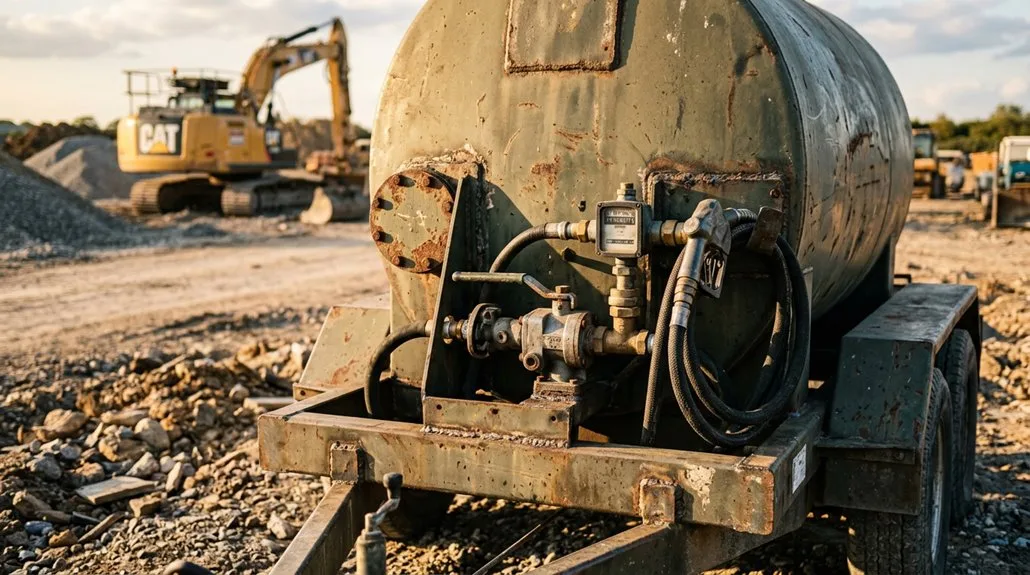
Two main costs stay off the invoice with a dry rate: fuel and, in some cases, the operator. You supply the diesel and cover its transport to site. This shifts responsibility to your team, so plan your fuel logistics before the machine arrives.
Most South African suppliers still include the operator in dry rate equipment hire, but this isn’t universal. Always confirm this line item before signing.
Dry rate typically covers:
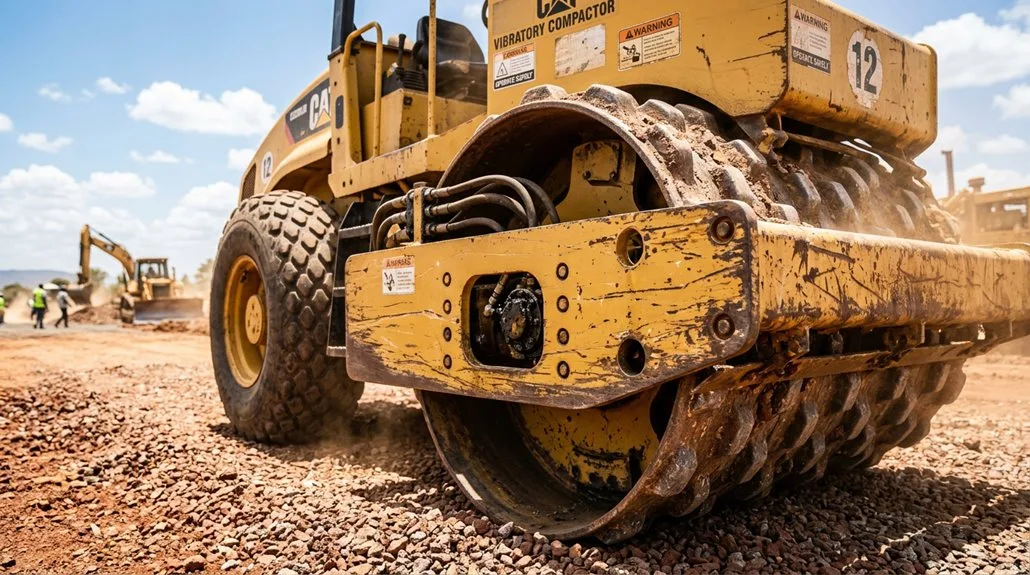
- Machine hire itself
- Oil and grease lubricants (with many suppliers)
- Basic maintenance built into the equipment
Excluded items often include ground engaging tools, transport, and site establishment.
For clarity on what’s included, request a detailed quotation from a supplier such as Bendet Tool & Plant Hire, who outline operator and maintenance terms upfront.
Check each quotation line by line. Knowing exactly what’s covered helps you budget accurately and avoid unexpected costs later.
Wet Rate or Dry Rate: Which One Saves You Money?
How do you know which rate actually saves you money? The answer depends on your project, not just the quoted price. Smart contractors compare total plant hire costs, not headline rates, before signing anything.
Wet rate suits teams that want predictable budgets. Dry rate suits teams with reliable fuel access and tight cost control. Your choice should match your operation, not someone else’s default. Wet rate pricing often reflects the value of meticulously maintained machinery operated by skilled professionals, which can offset a higher quoted rate.
- Calculate fuel consumption over the full hire period, not just daily estimates.
- Check if transport and ground engaging tools carry extra fees.
- Confirm operator participation status before comparing quotes side by side.
- Factor VAT and insurance into your final cost comparison.
Join contractors who ask these questions upfront. That’s how you protect your budget and your bottom line.